When you hear “adult autism assessment,” most people picture a clinical room, a stack of paperwork, and a ticking clock. Add the phrase “sensory profile” to that mix, and the picture becomes a bit more colorful—think of a map that charts how light, sound, touch, and even social cues dance around an adult’s sensory world. This guide will walk you through why that map matters, what to expect during the assessment, and how the results can help you—or your loved one—live more comfortably. And don’t worry, we’ll sprinkle in a dash of humor to keep the mood light.
Why a Sensory Profile Matters in Adult Autism Assessment
What is a Sensory Profile?
A sensory profile is essentially a detailed inventory of how a person reacts to various sensory inputs. Think of it as a weather report for your senses: sunny (tolerant of bright light), stormy (overwhelmed by loud noises), or a calm breeze (comfortable with touch). By quantifying these reactions, clinicians can better understand the unique sensory landscape that shapes daily experiences.
How It Influences Diagnosis
You might ask, “Why does this matter for diagnosis?” Because sensory sensitivities are a core feature of autism spectrum disorder (ASD). When an adult presents with challenges that stem from sensory overload—like avoiding crowded places or feeling unsettled by certain textures—a sensory profile helps clinicians differentiate ASD from other conditions such as anxiety or ADHD. It’s the “X‑ray” that reveals the hidden structure of sensory processing.
The Assessment Journey: From Referral to Results
Initial Referral and Intake
The first step is often a referral from a primary care provider or a trusted specialist. During the intake, you’ll fill out a questionnaire that covers medical history, developmental milestones, and daily challenges. It’s like filling out a travel itinerary before a big trip—only here, the destination is a clearer understanding of your sensory world.
Choosing the Right Professional
Not all clinicians are equal when it comes to adult autism assessment. Look for those who:
- Have experience with ASD in adults. Use standardized tools (e.g., the Adult Sensory Profile). Offer a multidisciplinary approach, including occupational therapy.
Choosing the right professional is akin to picking the right GPS: you want a system that knows the terrain and can reroute you when you hit a blind spot.
The Assessment Day: What to Expect
On the day of the assessment, you’ll likely encounter:
- Structured interviews to discuss personal history. Observational tasks that assess responses to sensory stimuli. Standardized questionnaires completed by you or a close relative.
Imagine a game of Check over here “Simon Says,” but instead of following commands, you’re describing how you feel when a phone buzzes or a shirt feels rough. It’s a bit awkward, but it’s the most honest way to capture your sensory profile.
Interpreting the Sensory Profile Scores
Once the data is collected, the clinician will analyze the scores to identify patterns—such as heightened sensitivity to noise or a preference for predictable routines. These patterns are then integrated into the overall diagnostic picture. Think of it as assembling a jigsaw puzzle: each sensory piece fits into a larger picture of how you perceive the world.
Common Sensory Challenges in Adults with ASD
Noise Sensitivity
A sudden siren can feel like a thunderclap in a quiet room. Adults with ASD often experience this as a full‑blown panic attack, not just a mild annoyance.
Touch and Texture
A cotton T‑shirt might feel like sandpaper. Sensitivities to touch can affect everything from daily hygiene to choosing clothing.
Light and Visual Stimuli
Bright fluorescent lights can feel like a spotlight on your back. Many adults with ASD prefer natural light or dimmed environments.
Social Sensory Overload
Crowded restaurants or office spaces can feel like a sensory minefield. The combination of noise, movement, and social expectations can trigger overwhelm.
Practical Tips for Preparing and Coping
Pre‑Assessment Self‑Check
Before the assessment, jot down:
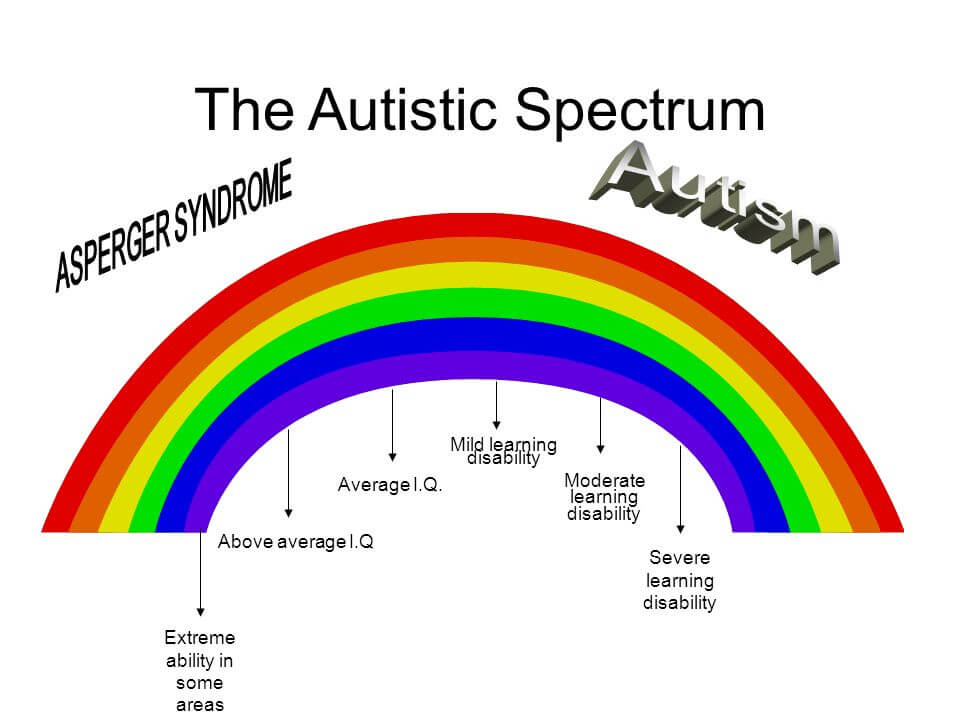
- Triggers: What makes you uncomfortable? Comforts: What helps you feel at ease? Goals: What do you hope to achieve from the assessment?
This list serves as a personal cheat sheet during the evaluation.
During the Assessment
- Bring a “comfort kit”: A favorite scarf, noise‑canceling headphones, or a small toy can help you stay grounded. Take breaks: If you feel overwhelmed, let the clinician know. A quick pause can reset your sensory balance. Speak up: Your voice matters. If something feels too intense, tell the assessor right away.
After the Assessment
- Review the report: Look for patterns that resonate with your lived experience. Ask questions: Don’t hesitate to ask for clarification on any part of the profile. Plan next steps: Whether it’s therapy, workplace adjustments, or lifestyle tweaks, use the insights to create a roadmap.
Using the Results to Build a Better Future
Therapeutic Interventions
Occupational therapists can design sensory integration plans tailored to your profile. These might include:
- Gradual exposure to challenging stimuli. Sensory diets that incorporate calming activities. Cognitive‑behavioral strategies to manage anxiety.
Workplace Accommodations
If you’re in a job that feels like a sensory circus, consider:
- Quiet zones for focused work. Flexible lighting or the ability to dim lights. Scheduled breaks to manage overload.
Daily Life Strategies
Small changes can have big impacts:
- Use weighted blankets for calming pressure. Choose soft fabrics for clothing. Create a “sensory sanctuary” at home—a space free from loud noises and bright lights.
Charting Your Path Forward
“Your sensory profile isn’t a verdict; it’s a compass.” – Dr. L. Thompson, Clinical Psychologist
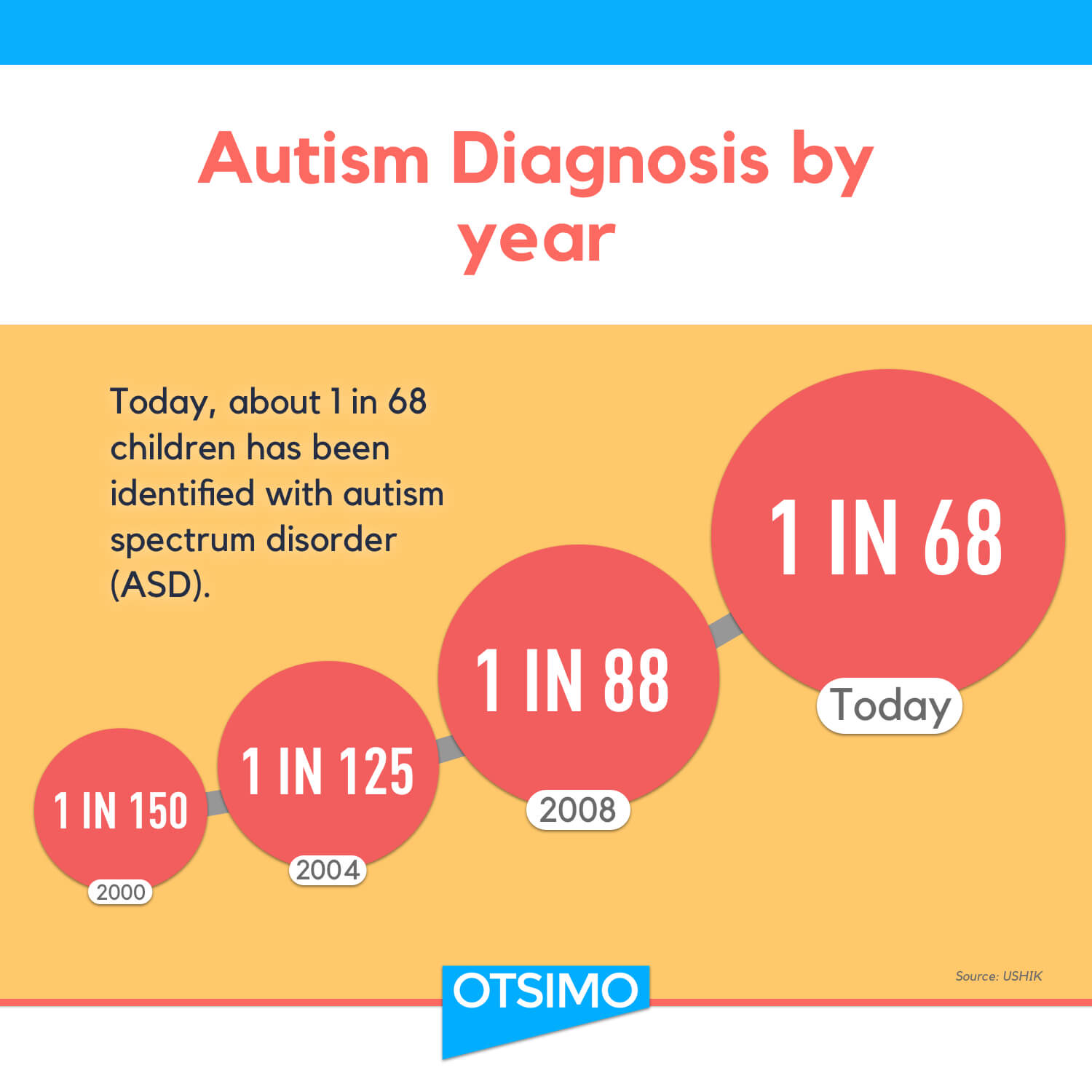
Remember, an adult autism assessment for autism spectrum disorder sensory profile is not just a diagnostic tool—it’s a springboard. It gives you a clearer map of your sensory terrain, allowing you to navigate life with confidence. Whether you’re a parent seeking clarity for your adult child, a professional looking to understand your own sensory needs, or someone curious about the science behind sensory processing, this assessment can illuminate pathways that were once shrouded in mystery.
Take the first step: schedule an intake appointment, bring your comfort kit, and let the journey begin. Your senses are the soundtrack of your life—know them, respect them, and use that knowledge to compose a life that feels just right.